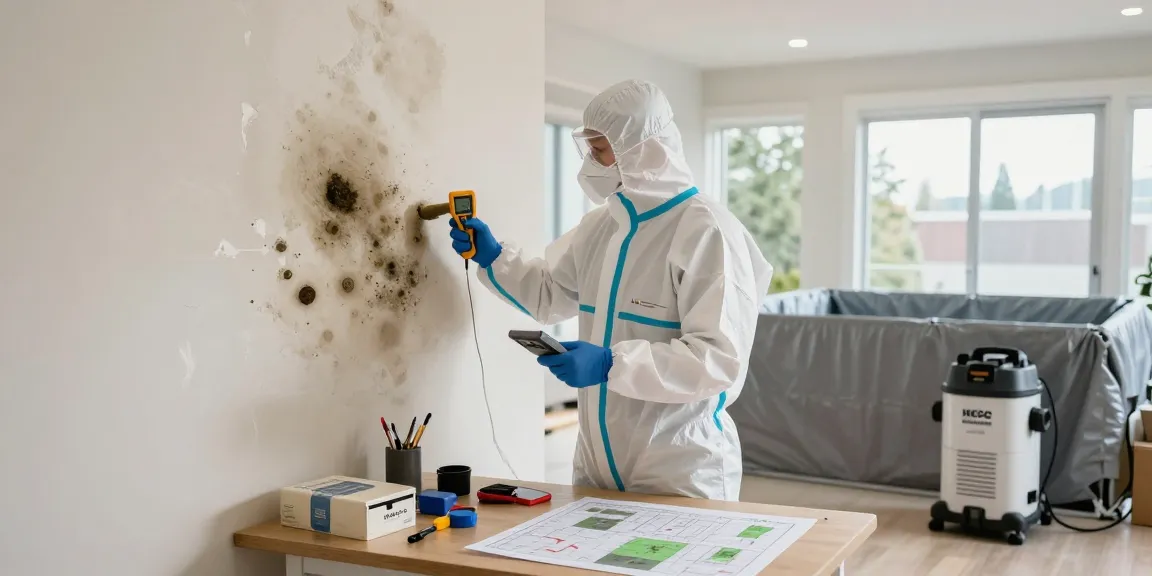
Understanding Mold Remediation Vancouver
In the humid climate of Vancouver, where moisture accumulation is a common issue, mold growth is a significant concern for many homeowners and business owners alike. Whether it’s found in a hidden corner of a basement or beneath the floorboards, effective and timely Mold Remediation Vancouver services are crucial to ensure safe living and working environments. This article will guide you through the understanding of mold remediation, its importance, processes, and how to prevent future infestations.
What is Mold Remediation?
Mold remediation is the process of identifying, containing, and removing mold growth from a property. It involves a series of systematic procedures aimed at eliminating mold spores and preventing future growth. The process is not just about cleaning visible mold; it encompasses investigating moisture sources, repairing damage, and applying treatments to ensure the mold does not return.
Signs You Need Mold Remediation in Vancouver
Recognizing the signs of mold growth early can save homeowners substantial time and money. Look for:
- Visible Mold: Dark spots on walls, ceilings, or other surfaces.
- Musty Odors: A persistent damp smell often indicates mold is present.
- Health Symptoms: Allergic reactions, respiratory issues, or skin irritations.
- Water Damage: Past water leaks, floods, or condensation issues.
The Importance of Professional Mold Remediation
While DIY solutions might seem appealing, professional mold remediation is essential for effective removal and prevention. Professionals possess the necessary training, equipment, and experience to address underlying issues that contribute to mold growth. Additionally, they ensure that the process complies with local regulations and health standards.
The Mold Remediation Process Explained
Initial Inspection and Assessment
The first step in any remediation project is a thorough inspection. Technicians identify visible mold and conduct tests to locate hidden moisture sources that may not be immediately apparent. This can include using moisture meters and thermal imaging cameras to assess the extent of the problem.
Containment and Removal Techniques
Once the inspection is complete, the next phase involves containing the mold to prevent it from spreading during the removal process. This is achieved through sealing off affected areas and using negative air pressure machines. The actual removal process may involve physical removal of contaminated materials, such as drywall and carpeting, followed by thorough cleaning and sanitizing of the area.
Post-Remediation Cleaning and Restoration
After the mold has been removed, it’s necessary to clean and restore the affected areas. This may involve repairing or replacing materials that were removed during the remediation. Effective restoration also includes deep cleaning and applying antimicrobial treatments to prevent future mold growth.
Health Risks Associated with Mold Growth
Common Health Issues Caused by Mold Exposure
Mold exposure can lead to a variety of health problems, particularly for sensitive individuals. Common issues include:
- Allergic reactions: Sneezing, runny nose, and itchy eyes.
- Respiratory problems: Coughing, shortness of breath, and asthma attacks.
- Skin irritations: Rashes and other skin conditions.
Vulnerable Populations at Risk
Certain groups are more vulnerable to the health effects of mold, including young children, the elderly, and individuals with pre-existing respiratory conditions or weakened immune systems. For these populations, even minimal exposure can lead to serious health consequences.
Long-term Effects of Ignoring Mold Problems
Ignoring mold problems can lead to long-term health issues and property damage. Apart from the immediate health risks, prolonged exposure can exacerbate existing conditions and contribute to chronic respiratory problems. Additionally, untreated mold can lead to structural damage in buildings, resulting in costly repairs.
Cost Factors in Mold Remediation Services
Understanding Pricing Structures
The cost of mold remediation can vary widely based on several factors such as the extent of the mold infestation, the size of the affected area, and the materials that need to be removed or restored. On average, homeowners in Vancouver can expect to pay anywhere from $500 to $6,000 for complete remediation services.
Insurance Coverage for Mold Remediation
Many homeowners' insurance policies cover mold remediation, but coverage can depend on the source of the mold. When a mold problem arises from a covered peril, such as a burst pipe, homeowners may be able to file a claim. It's essential to review your policy and speak with your insurance agent to understand your coverage.
Cost-Saving Tips for Homeowners
To minimize expenses related to mold remediation, homeowners can:
- Address water issues promptly to prevent mold from taking root.
- Maintain proper ventilation in high-moisture areas.
- Regularly inspect your property for signs of mold or water damage.
Preventing Future Mold Growth
Identifying Common Moisture Sources
Understanding where moisture comes from is key to preventing future mold issues. Common sources include:
- Leaking pipes or roofs.
- Humidity from cooking or showering without proper ventilation.
- Condensation from HVAC systems.
Best Practices for Moisture Control
Implementing effective moisture control practices can significantly reduce the risk of mold growth. Consider the following:
- Use dehumidifiers in damp areas.
- Ensure proper drainage around your foundation.
- Seal cracks in walls and around windows and doors.
Long-term Solutions for a Mold-Free Home
For a long-lasting solution, it is crucial to combine moisture control methods with regular inspections. Homeowners should be vigilant in monitoring for signs of mold and addressing water issues before they escalate.
Do I really need professional mold remediation?
Yes, professional mold remediation is essential for effectively eliminating mold and preventing future growth. Professionals understand the nuances of mold biology and have the necessary tools to address complex situations.
How long does mold remediation take?
The duration of the mold remediation process varies based on the extent of the infestation. Small jobs can be completed in a day, while extensive issues may take several days to weeks.
Can mold come back after remediation?
Yes, mold can return if the underlying issues that caused it to grow originally are not addressed. This highlights the importance of ongoing moisture control and regular property inspections.
What are effective ways to prevent mold growth?
Effective prevention methods include maintaining low indoor humidity levels, ensuring adequate ventilation, and using mold-resistant products, especially in high-risk areas like bathrooms and kitchens.
What are the signs that mold is present in my home?
If you notice a musty odor, visible mold spots, or experience unexplained allergic reactions, it may be time to consult a mold remediation professional.